Coal Gasification: Converting Coal into Clean Industrial Energy
What is Coal Gasification?
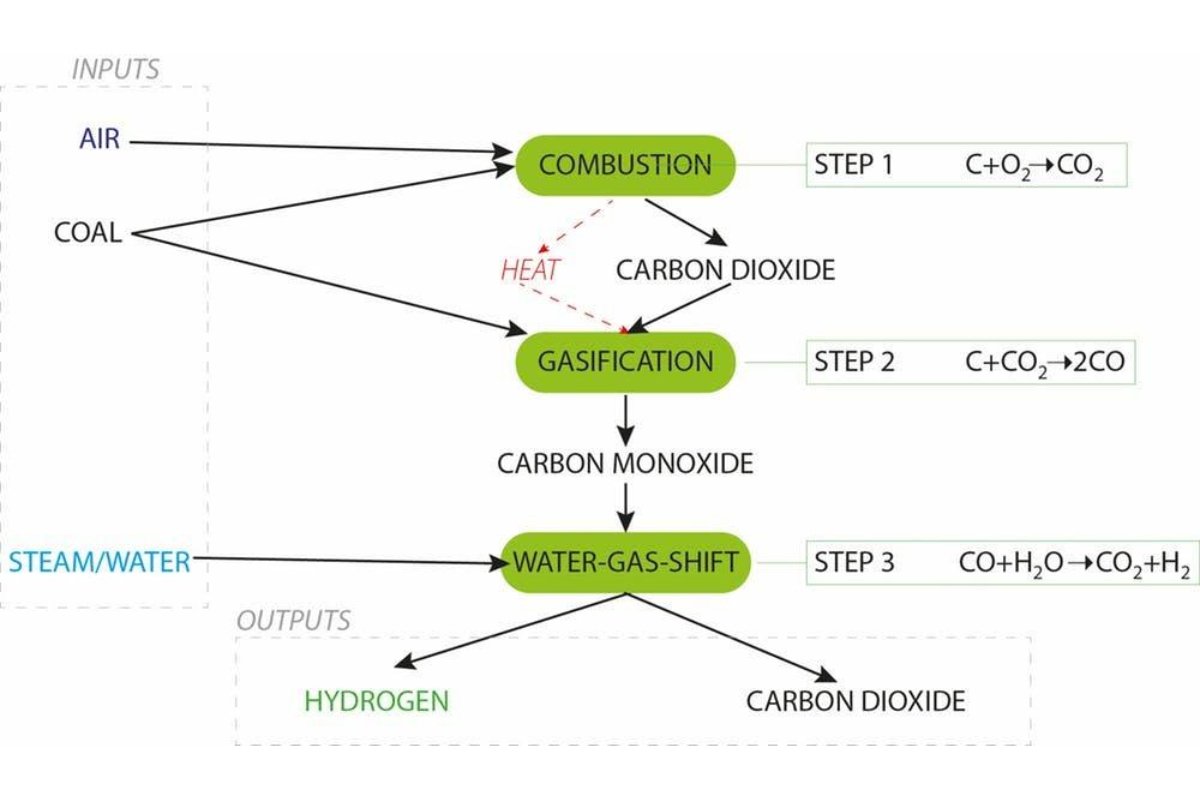
Coal gasification is an advanced thermochemical process that converts coal into a valuable gaseous fuel known as synthesis gas (syngas). Unlike conventional coal combustion, gasification converts coal under controlled conditions using oxygen and steam, producing a gas rich in hydrogen (H₂) and carbon monoxide (CO). This syngas can then be used to generate electricity, manufacture chemicals, produce hydrogen, or create synthetic fuels.
How the Process Works
-
Coal Preparation
Coal is crushed and prepared for processing.
-
Gasification
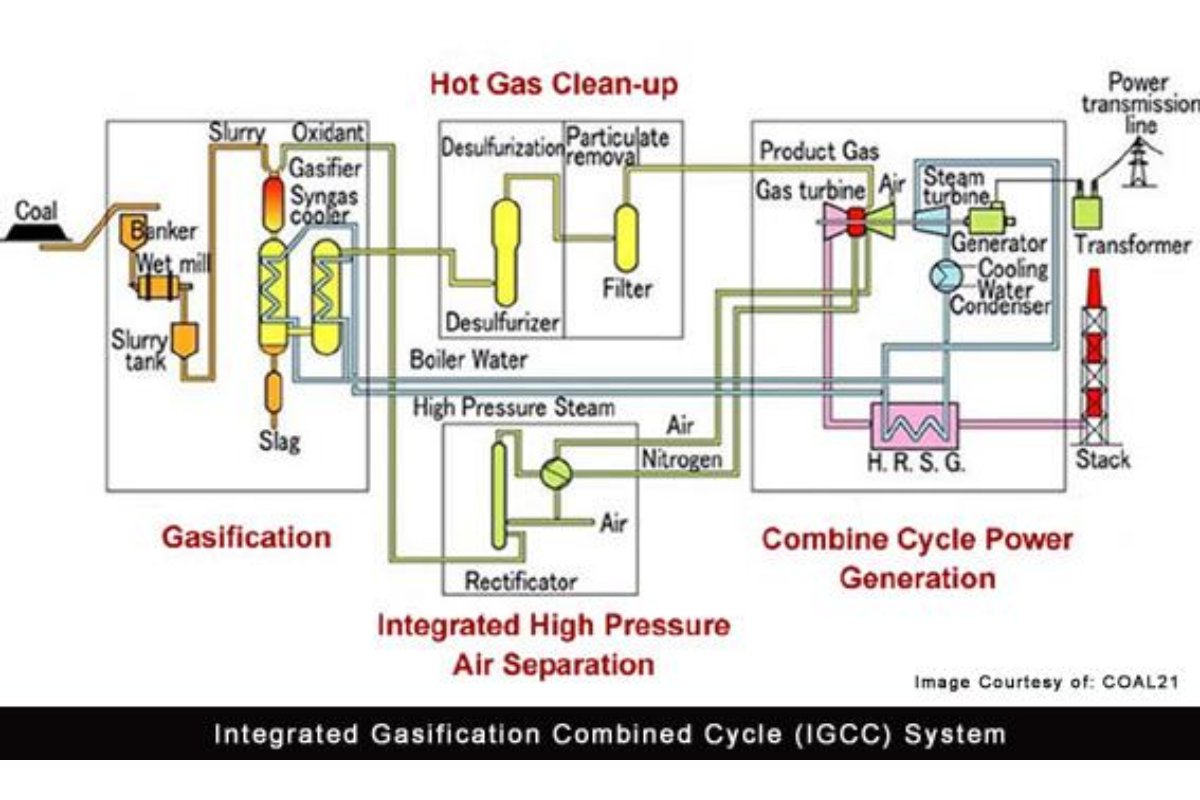
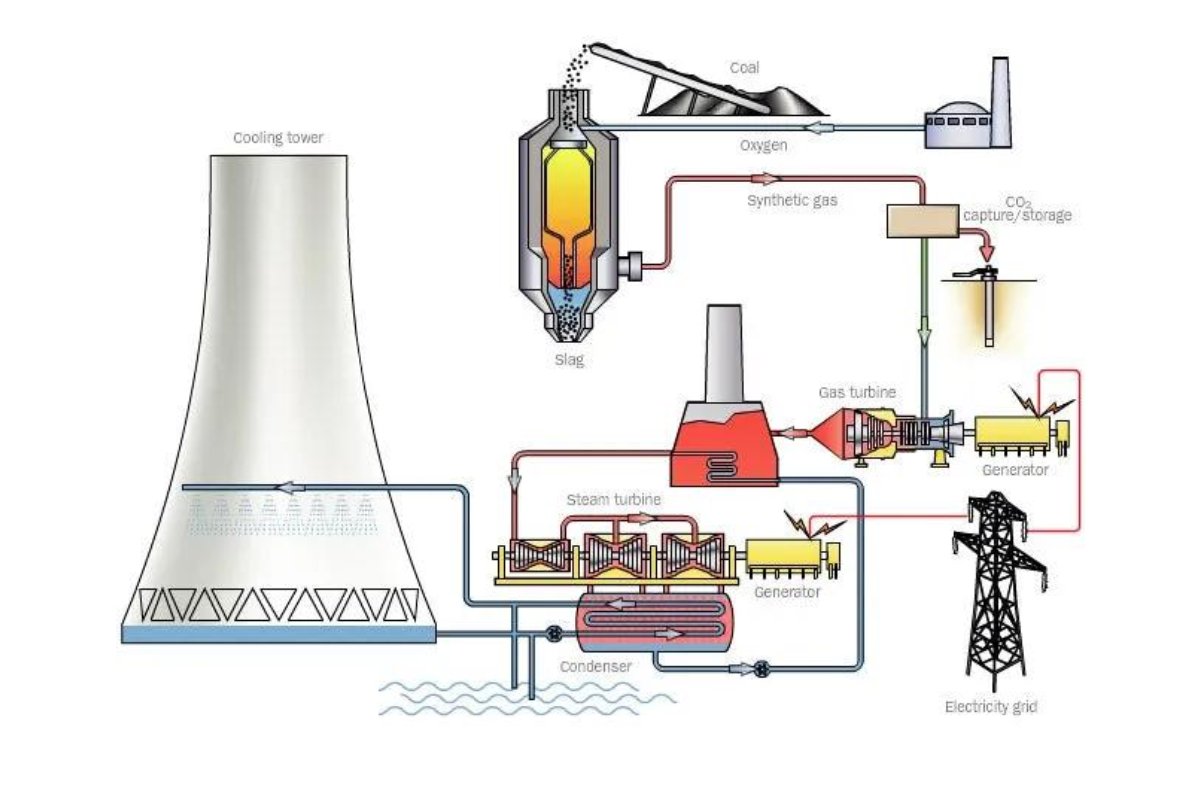
Coal reacts with a controlled amount of oxygen and steam at temperatures typically between 900°C and 1,400°C.
-
Syngas Production
The process produces a mixture of hydrogen, carbon monoxide, carbon dioxide, methane, and water vapor.
-
Gas Cleaning
Advanced cleaning systems remove sulfur compounds, particulates, and other impurities.
End Use Applications
- Power Generation
- Hydrogen Production
- Fertilizer Manufacturing
- Methanol and Chemical Production
- Synthetic Natural Gas (SNG)
- Liquid Fuels
Key Benefits
-
Higher Energy Efficiency
Gasification enables more efficient utilization of coal resources compared with conventional combustion technologies.
-
Hydrogen Economy Support
Syngas can be processed to produce hydrogen, supporting future clean energy and industrial decarbonization initiatives.
-
Cleaner Industrial Operations
Impurities can be removed before combustion, reducing emissions of sulfur oxides, particulates, and other pollutants.
-
Multiple Product Streams
A single gasification facility can produce power, hydrogen, chemicals, fertilizers, and synthetic fuels from the same feedstock.
-
Carbon Capture Integration
Coal gasification systems can be integrated with Carbon Capture, Utilization and Storage (CCUS) technologies to support lower-carbon industrial operations.
Applications
-
Power Generation
Integrated Gasification Combined Cycle (IGCC) plants use syngas to generate electricity with improved efficiency.
-
Hydrogen Production
Coal gasification provides a pathway for large-scale hydrogen production for industrial and energy applications.
-
Chemical Manufacturing
Syngas serves as a feedstock for methanol, ammonia, and numerous downstream chemical products.
-
Synthetic Fuels
Gasification can support production of synthetic diesel, aviation fuels, and substitute natural gas.
Coal Gasification and Sustainable Transition
While coal remains an important energy resource in many regions, modern gasification technologies offer a pathway toward cleaner utilization. When combined with advanced gas cleaning, hydrogen production, and carbon capture technologies, coal gasification can play a significant role in the transition toward lower-carbon industrial systems.